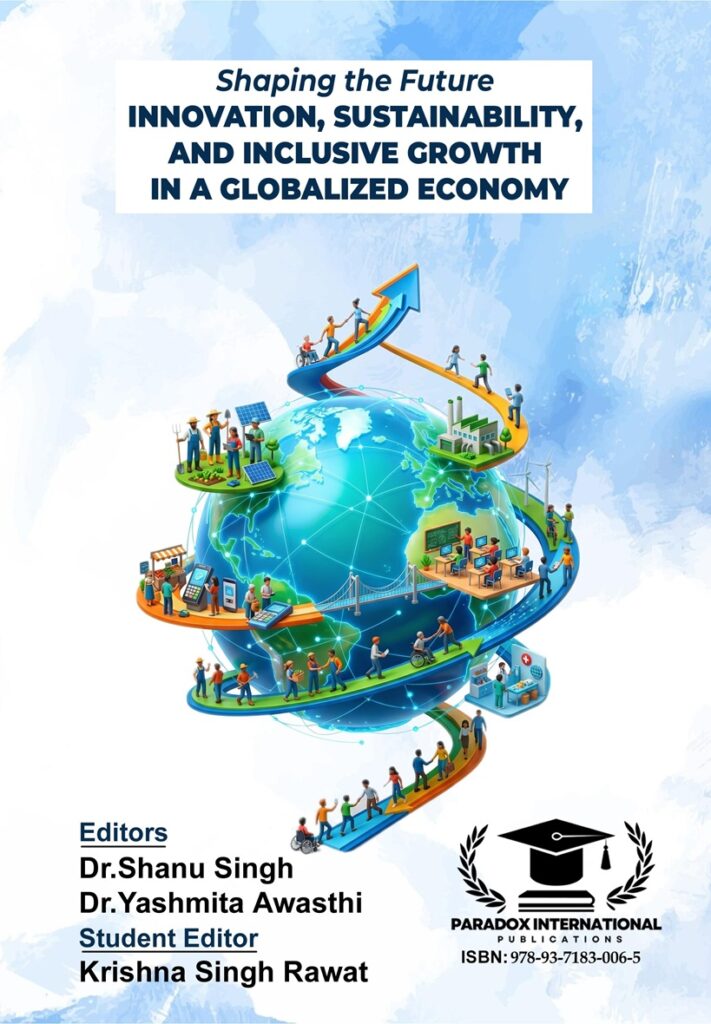
Book Title: Shaping the Future: Innovation, Sustainability, and Inclusive Growth in a Globalized Economy
Editors: Editors: Dr. Shanu Singh, and Dr. Yashmita Awasthi
Student Editor: Krishna Singh Rawat
ISBN: 978-93-7183-006-5
Chapter: 31
DOI: https://doi.org/10.59646/725/31
Authors: Vasvi Talwar, and Shivani Johri
Abstract
One of the defining characteristics of modern industrial and economic policy is the rapid shift toward ecologically sustainable development, commonly known as the “green transition.” In response to climate change and ecological degradation, countries are reorienting their economies to focus on low-carbon technologies, renewable energy sources, and climate-resilient infrastructure. This transformation has a significant impact on labour markets, employment relationships, and workers’ rights, which are crucial for achieving long-term environmental sustainability. The rise of automation, technological advancements, and the decline of carbon-intensive industries are altering the nature of employment, creating both opportunities and challenges for workers. Labour rights are vital, as they provide essential protections against social exclusion and job loss, rooted in constitutional guarantees of equality, dignity, and the right to work. Historically, labour laws have developed to ensure fair working conditions and to address power imbalances between employers and employees. However, existing legal frameworks may not adequately address the new regulatory challenges posed by the expanding green economy.