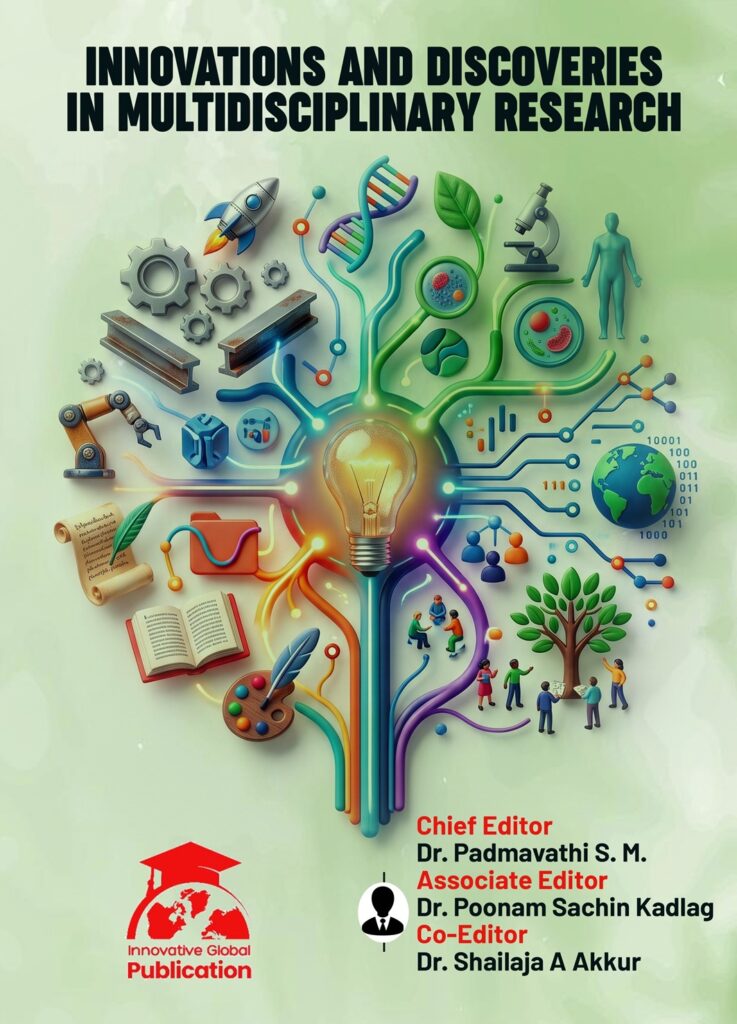
Title: Innovations and Discoveries in the Multidisciplinary Research
Chief Editor: Dr. Padmavathi S. M.
Associate Editor: Dr. Poonam Sachin Kadlag
Co-Editor: Dr. Shailaja A Akkur
ISBN: 978-81-69857-36-9
Chapter: 14
DOI: https://doi.org/10.59646/785/14
Authors: P. Nirmal, Dr. K. Krishna Veni, S. Jeyamalathi, P. Esther Ramola, S. Banupriya, and K. Umamaheswari
Abstract
This study examines how standard ELT textbooks are still intended for teacher-dependent learning; everyone now days have access to AI technologies around-the-clock in ways that were previously unattainable. This study particularly explore how Secondary level learner access AI tool. The function of Claude and Gemini as literary companions in supporting textbook-based literary reading, independent study, and activating literary response by themselves. This qualitative study explore within three important research gaps are filled by this study. Current study that specifically examines Claude and Gemini for school-level literary pedagogy using Reader Response Theory, this dimension of study is unexplored in AI-supported school level reading. This study demonstrates 25–35 students (Grades 11-12) and a teacher participated in the sixteen-week study in the secondary school level ELT context. Focus groups, semi-structured individual interviews with students (conducted at mid and end of study phases), structured observation sessions (three times a week), student learning journals (weekly reflections on AI-conversation), and document analysis of student literary responses and were all used to gather data. The theme analysis method developed by Braun and Clarke was used to analyse the data. The findings demonstrate how Gemini encourages visualization, helps to understand cultural context, with in Active involvement. Meanwhile, Claude enhances vocabulary, figurative language, and interpretative discourse. The study shows how students use AI to go beyond the textbook, how AI scaffolding helps students create new literary responses, creates pedagogical model will be successes. Implication of contemporary methods for integrating textbooks with AI, teacher development in AI enhanced literary pedagogy, and ELT practice at the higher secondary level learners.
Keywords: Reader Response, literary pedagogy, school level ELT, AI assisted learning, Self-directed learning