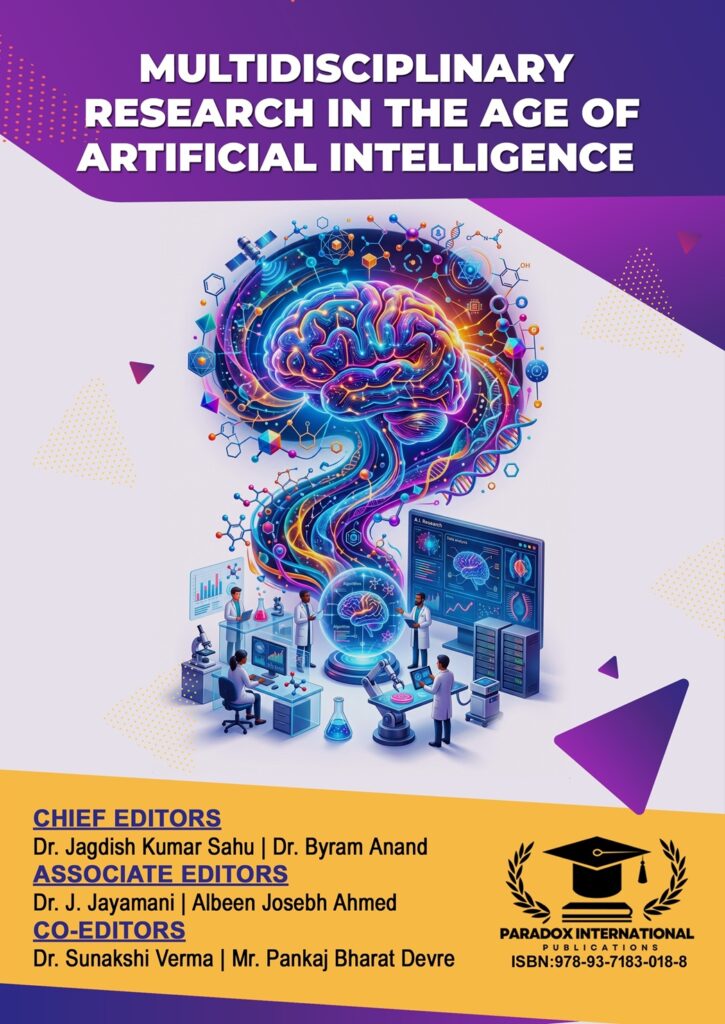
Book Title: Multidisciplinary Research in the Age of Artificial Intelligence
Chief Editors: Dr. Jagdish Kumar Sahu, and Dr. Byram Anand
Associate Editors: Dr. J. Jayamani, and Albeen Josebh Ahmed
Co-Editors: Dr. Sunakshi Verma, and Mr. Pankaj Bharat Devre
ISBN: 978-93-7183-018-8
Chapter: 15
DOI: https://doi.org/10.59646/781/15
Author: Dr. Vilas D. Doifode
Abstract
The value of indigenous knowledge for biodiversity conservation and its close ties to ecosystems, traditional resource management and ecological knowledge have been documented. This research paper explores the significance of the indigenous knowledge in the context of conservation of biodiversity, sustainable practices, ecosystem management and community based conservation. Over the years, the indigenous people have evolved some ecological practices that assist in maintaining ecological diversity, conserving natural resources and balancing the environment. The knowledge systems can offer useful information about the local ecosystems and adaptive responses to changes in the environment. Also, traditional practices for conserving natural resources often involve a harmonious relationship between people and nature, promoting sustainable management and preservation of the environment. This also improves the involvement of communities, through encouraging them to take responsibility and engage in conservation efforts. A mixed-method approach is adopted, integrating quantitative information on conservation activities with qualitative perspectives from the local communities, conservation scientists and environmental practitioners. The findings underscore the importance of IC in the conservation of biodiversity, its use in traditional ways, and sustainable use of the natural resources. But other issues like habitat destruction, climate change, the trend towards modernisation and a lack of formal conservation policies prevent it from being used more widely. The research underscores the need for Indigenous involvement in the scientific and policy processes, highlighting the need for traditional knowledge to be integrated with contemporary conservation strategies. The results offer useful input into establishing long-term, sustainable plans for biodiversity management that are inclusive.
Keywords: Indigenous knowledge, biodiversity conservation, traditional ecological knowledge, indigenous communities, ecosystem management, sustainable practices, environmental conservation, community-based conservation, ecological sustainability, conservation strategies