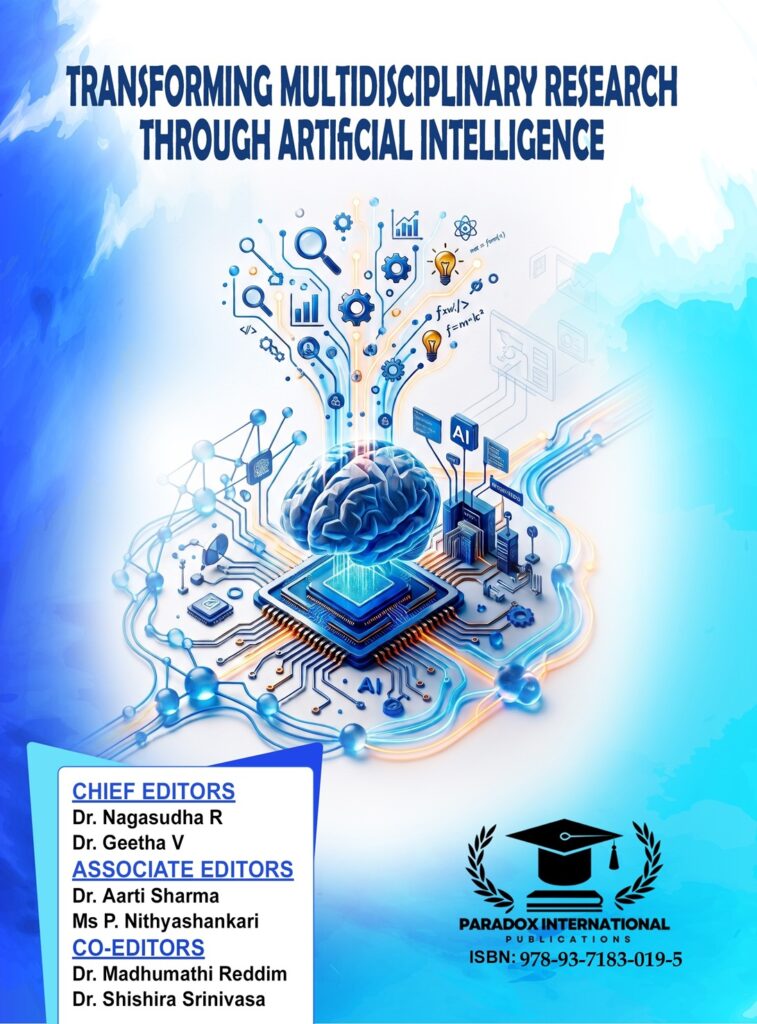
Title: Transforming Multidisciplinary Research Through Artificial Intelligence
Chief Editors: Dr. Nagasudha R and Dr. Geetha V
Associate Editors: Dr. Aarti Sharma and Ms. P. Nithyashankari
Co-Editors: Dr. Madhumathi Reddim and Dr. Shishira Srinivasa
ISBN: 978-93-7183-019-5
Chapter: 6
DOI: https://doi.org/10.59646/804/06
Author: Dr. Bhavna Rajput
Abstract
The effects of urbanization on semi-arid ecosystems have greatly changed the biodiversity patterns and native plant communities. The research paper examines the effects of urbanisation on biodiversity of native plants in semi-arid ecosystems, looking at comparative trends of native plant biodiversity, habitat shifts and ecological conditions between urban and less urbanised areas. The research adopts a mixed-method design with quantitative data being collected on plant species diversity, abundance and habitat characteristics and qualitative data collected via structured interviews with environmental experts, conservation practitioners and local community members. The results show there are significant differences in the native plant biodiversity between the highly urbanized and less-urbanized areas, with habitat fragmentation, vegetation loss, soil disturbance and pressure from invasive species being greater in highly urbanised areas and higher levels of native plant biodiversity and ecological stability in less-urbanised areas. Despite these changes, there are different levels of resilience of native plant communities depending on habitat quality, availability of green spaces and conservation management. Furthermore, urban areas can offer opportunities for the conservation of biodiversity, with their parks, urban forest, green corridors and restoration projects; less urbanised areas are also vital for conservation of natural habitats and the survival of native plants. Additionally, the paper describes conservation actions and strategies that could minimise the impacts of urbanization through maintaining native habitats, rehabilitating disturbed sites, sustainable urban development and incorporating biodiversity concerns into urban planning policies. The results of this study showed that urbanization can have different impacts on different semi-arid regions and illustrate the need to balance the development of a city with the conservation of natural plant diversity and ecosystem resilience. The results add to the science of urban ecology, offering proof of the ability to sustain native plant communities in rapidly urbanizing, semi-arid environments.
Keywords: Urbanization, Native plant biodiversity, Semi-arid ecosystems, Plant diversity, Habitat fragmentation, Urban ecology, Biodiversity conservation, Native vegetation, Ecosystem resilience, Sustainable urban development