
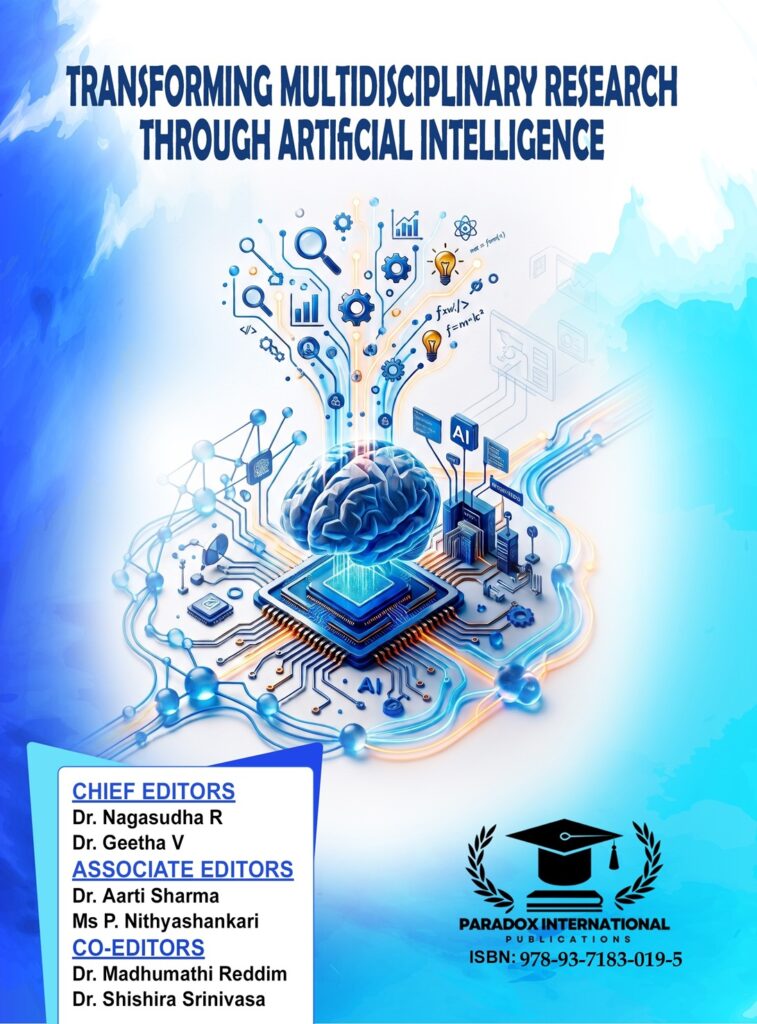
Title: Transforming Multidisciplinary Research Through Artificial Intelligence
Chief Editors: Dr. Nagasudha R and Dr. Geetha V
Associate Editors: Dr. Aarti Sharma and Ms. P. Nithyashankari
Co-Editors: Dr. Madhumathi Reddim and Dr. Shishira Srinivasa
ISBN: 978-93-7183-019-5
Chapter: 13
DOI: https://doi.org/10.59646/804/13
Author: Dr. S. Mahalakshmi
Abstract
An embrace of hybrid work has changed the nature of the work organisation and driven new expectations of a leadership that is effective in today’s working world. The rise of hybrid work has changed the way organization’s work and expectations around effective digital leadership in modern workplaces have risen. This research paper examines how digital leadership can help to boost employee resilience in a hybrid workplace, and highlights the key areas of leadership practice, employee wellbeing, communication, adaptability, and organizational support. The research follows a mixed-method design, which means that the quantitative data collected on the employee’s experience and workplace resilience are added with qualitative data collected through structured interviews with the employee and manager. The findings suggest that digital leadership has the potential to significantly impact employee resilience through fostering clear communication, flexibility, trust, technological support and psychological safety. Leaders who offer guidance, autonomy and effective digital communication are most beneficial to employees working in hybrid environments. But factors like digital fatigue, communication breakdown, social isolation, unequal access to technology, the lack of boundaries, and the problem of team cohesion can impact employee resilience. Furthermore, the resilience among the employees is dependent on leadership practices, with more support and flexibility from management, thereby enhancing the adaptability and productivity of the employees. The paper also identifies organizational measures that could enhance digital leadership and employee resilience such as leadership development initiatives, digital communication training, flexible work policies, employee well-being programs, and supportive organizational cultures. The comparative analysis is applicable to organizational leaders, human resource managers, or policy makers aiming to create strategies to handle the issues that come with hybrid jobs and ensure employee health and long-term productivity. The results add to digital leadership literature by providing some insight about how to build resilient employees and organizations in flexible work environments.
Keywords: Digital Leadership, Employee Resilience, Hybrid Workplaces, Remote Work, Digital Transformation, Employee Well-being, Organizational Support, Workplace Flexibility, Digital Communication, Leadership Practices